

The National Equine Welfare Council (NEWC) is warning that the UK’s equine rescue, rehoming and sanctuary sector is under severe and growing pressure, with organisations reporting rising welfare demand, escalating costs, falling donations and limited space to take in equines in need.
The findings come from a UK-wide survey of rescue centres, rehoming organisations and sanctuaries undertaken by World Horse Welfare and Redwings Horse Sanctuary on behalf of NEWC. The survey found that all respondent organisations are now at or near capacity, with around 4,500 equines collectively in their care.
Carolyn Madgwick, Chair of NEWC, said: “This survey makes painfully clear that equine welfare organisations are doing everything they can to protect the equines in their care, but the system is under unsustainable strain. Rising costs, fewer rehoming opportunities and increasing calls for help means we are being asked to do more with less. Without coordinated action and greater support, more animals could be left without the safety net they urgently need.
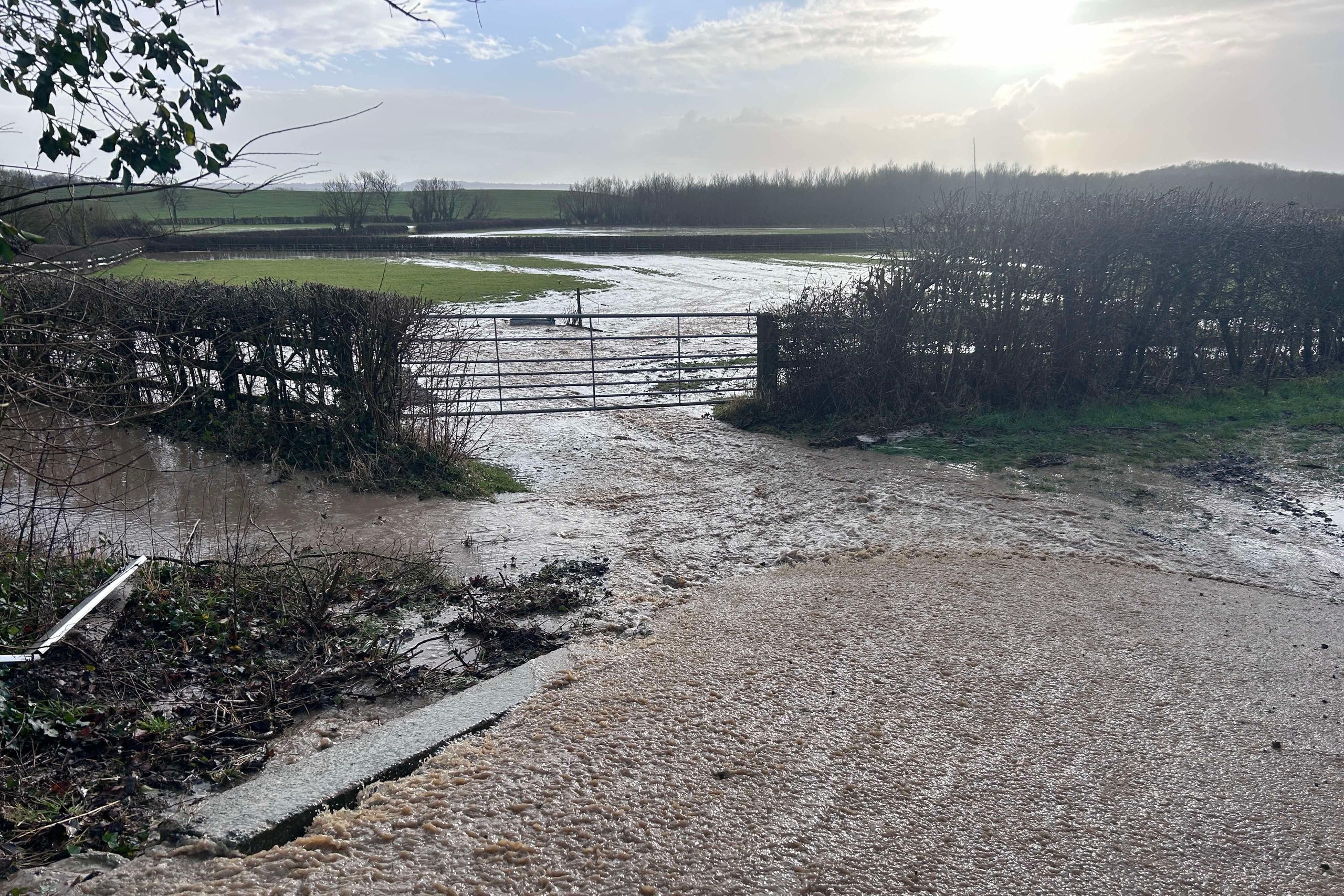
“Financial pressures and climatic conditions have made ownership and care increasingly challenging, with prices for hay more than doubling in the past 5 years and rises in veterinary and energy costs. Wet winters have impacted pastures and grazing, while drought in summer has required owners and rescue centres to use hay stocks meant for winter. This all adds up to challenging conditions for everyone involved in keeping equines.”
The survey paints a stark picture of a sector facing a sustained bottleneck. More horses, ponies, donkeys and mules are coming into rescue centres, fewer are leaving through rehoming, and organisations are increasingly being forced to restrict intake, restructure or make difficult financial decisions to remain viable.
KEY FINDINGS:
Demand for welfare support is rising: 81% of respondents reported an increase in requests to hand over equines, 67% reported an increase in welfare concern calls, and over a third reported more equines being returned by adopters.
Rescue centres are running out of space: Half of respondent organisations are at or over capacity, while the remaining half are close to capacity. Together, respondents are caring for approximately 4,500 equines.
Costs are increasing sharply: More than 90% of respondents are concerned about the impact of the cost-of-living crisis, while 84% reported rising equine management costs and 89% reported increased site maintenance costs.
Funding is becoming harder to secure: 63% of respondents have received fewer large donations this year, and 65% are finding it more difficult to secure major donors.
Organisations are protecting welfare standards: Despite the financial pressure, respondents were clear that they will not take measures that compromise equine welfare. Most said they would not reduce forage, switch to cheaper forage, or reduce bedding use.
Options are narrowing: Over a third of respondents have implemented stricter intake criteria, more than half have reduced intake numbers, over a third have been through restructuring, and two centres are facing planned or guaranteed closure.
Malcolm Morley, Director of UK at World Horse Welfare, said: “The findings point to serious consequences for horses and owners if current trends continue. Ongoing financial and operational pressures could further reduce capacity, while extreme weather patterns and an ongoing cost of living crisis for struggling owners may increase the number of horses becoming welfare cases.”
Since the survey closed in April 2026, many parts of the UK have experienced extended periods of high temperatures and drought, increasing concern about forage availability and cost.
NEWC will use the survey findings to engage with rescue and rehoming centres across the UK to explore what support they need most. The organisation also plans to raise awareness among equine owners of the wider pressures affecting the welfare sector, including breeding practices, responsible ownership and forward planning for forage availability.
Results of the survey will also be shared with governments and political representatives across the UK, highlighting the ongoing challenges facing the sector and recommending action to help protect equines in need.
Read the survey reports
The findings are available in two formats: